NEXTletter - The real reason you're not doing the thing.
Part II - It's not discipline. It's not time. It's not even fear. Here's the real reason.
NEXTletter Read online ↗
Apr 24, 2026 · Part II of II

The real reason
you're not doing
the thing.

One question · Two perspectives · One experiment
00
Station Zero · the prompt
Before you read - What are you usually waiting for?
→ A I'm waiting until I'm sure it'll work.
→ B I'm waiting until I feel ready.
→ C I'm waiting for someone to say yes.
→ D I've let go - I'm already doing it.
Pick yours silently - keep reading with that answer in mind.

Dear future-ready friend,

Welcome back. If you missed Part One - the student who never launched, the coaching clients who never wrote their book, and the question that's been waiting - you can find it here. This letter picks up exactly where that one ended.

I promised you the real reason. Here it is.

It's not discipline. It's not time. It's not even fear of failure, not exactly.

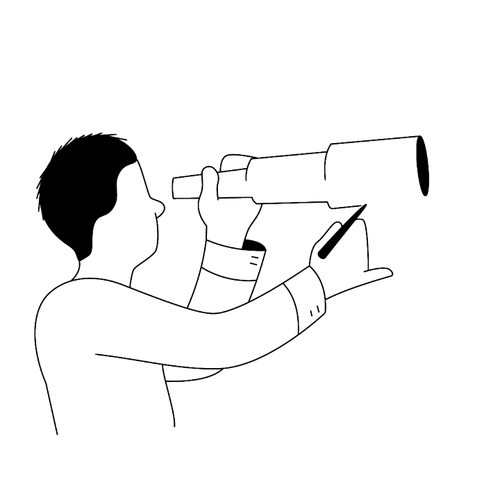
Still scanning the horizon
still scanning the horizon
It's
attachment.

Specifically: attachment to the outcome. The invisible, iron grip we place on how the thing has to go before we're willing to begin it.

The student didn't just want to launch a company. He wanted to launch a successful company. The coaching client didn't just want to write a book. She wanted to write a book that mattered, that landed, that people loved. And so they waited. Refined. Polished. Prepared. Because as long as the thing hasn't been released into the world, the dream of how it goes is still perfectly intact.

Doing the thing puts the outcome at risk. And that risk is unbearable - when you're attached to it.

◆ The question
Are you waiting to do the thing - or are you waiting for a guarantee about how it will go?
01
Perspective one
The Stoics knew this
2,000 years ago.

Marcus Aurelius wrote in his private journal - words he never intended anyone to read - that suffering comes not from events but from our judgment about events. Epictetus, who began his life as a slave and ended it as one of the most influential teachers in the ancient world, built his entire philosophy on a single distinction: some things are within our control, and some things are not.

◆ Screenshot this ↓
The doing is within
your control.

The outcome is not.
- dichotomy of control
↗ LinkedIn ↗ Read online

You can write the book. You cannot control whether it becomes a bestseller. You can launch the company. You cannot control whether the market is ready. You can share your ideas. You cannot control whether people are moved by them.

And when we fuse those two things together - when we make doing the thing conditional on the outcome going well - we hand our power to something we were never meant to hold. We suffer not because we failed. We suffer because we expected a particular future and reality had other plans.

The Stoics called this the dichotomy of control. I call it one of the most liberating ideas I have ever encountered. Because the moment you separate the doing from the outcome, the doing becomes available again. You can act. Fully. Without the weight of what might happen next pressing down on every step.

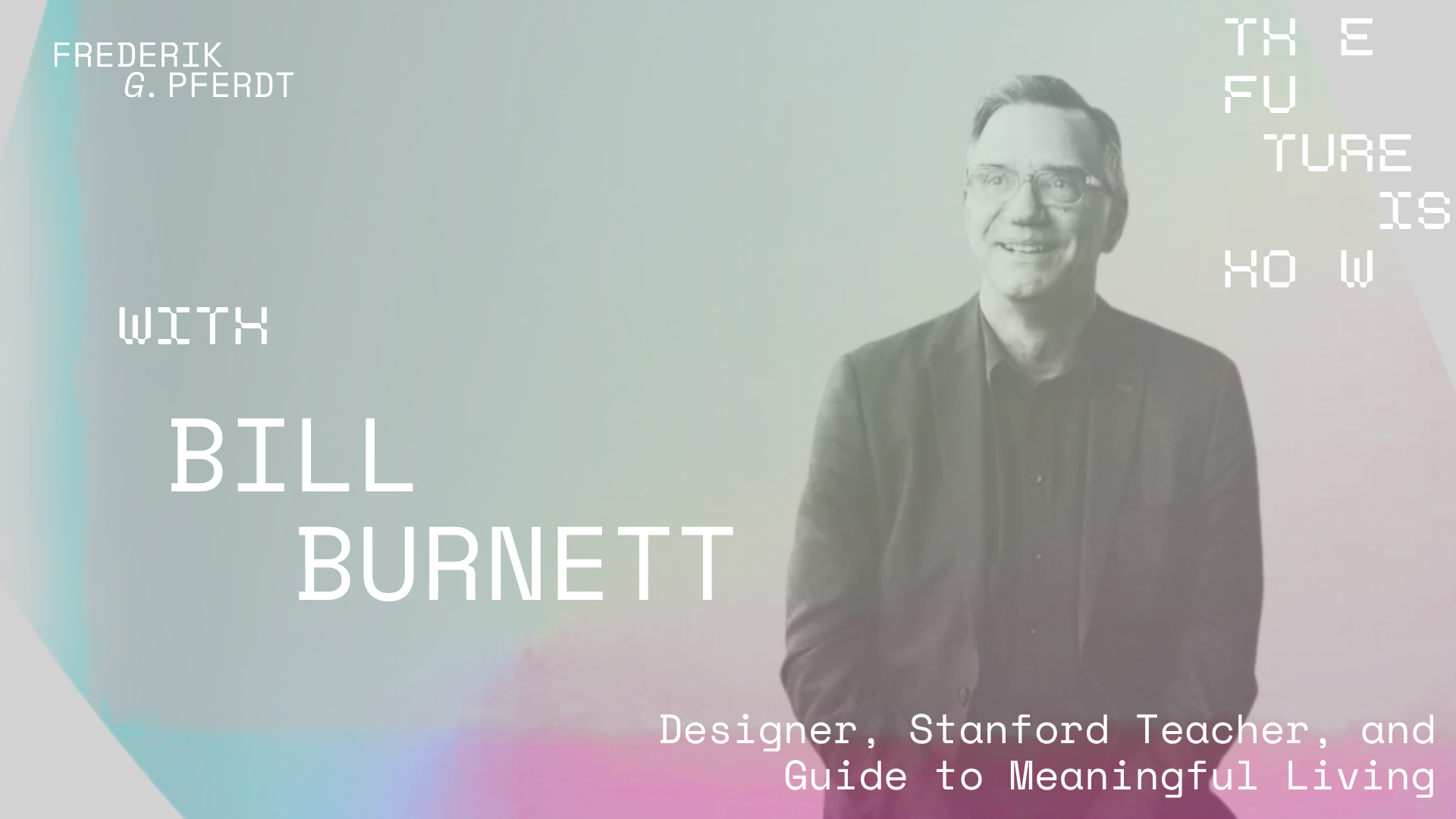
The Future Is HOW with Bill Burnett
≋ 60-second break
Take a breath between perspectives.
On the podcast this week, Stanford's Bill Burnett - the mind behind 'Designing Your Life' - on why fulfillment is a dead end, and what to design instead. A perfect companion to today's letter: stop chasing the outcome you think you need. Design the experiment.
▶ Listen on your way to work
02
Perspective two
What the archer
understands.

I didn't learn this from a book. I learned it on an archery range in the forest near Mt. Madonna, on a camping trip with family and friends. The trees were tall and quiet around us. Kids were running between the targets. And somewhere in the middle of that afternoon, the instructor said something I haven't forgotten.

◆ Screenshot this ↓
“Your only job
is everything
before the release.”
- mt. madonna · in a forest of tall trees
↗ LinkedIn ↗ Read online

The stance. The breath. The focus. The aim. All of that is yours - entirely, completely yours. But the moment the arrow leaves the bow, it belongs to the world. The archer who clenches after the release, who tries to mentally steer the arrow in flight, has already disturbed the shot before it happened. The attachment to landing it perfectly is the very thing that throws it off.

I stood there in that forest and felt something shift.

Because I recognized it immediately. I had been doing this with my own work for years. Gripping the outcome so tightly that the doing itself became stiff and cautious and small. Writing with one eye on the page and one eye on how it would be received. Speaking with one part of me present and another part already bracing.

When I wrote my book, I had to make a choice every single morning: write because the writing matters, or write because I needed it to be received a certain way. The days I chose the second, the work was tight and self-conscious. The days I chose the first, something opened up.

The work that changes people
is rarely the work made
with the outcome in mind.

It's the work made with
full presence - and then released.

Freely. Completely.
Without conditions.

My student had been so focused on launching a successful company that he never got to experience the only thing that would actually teach him how: launching a company. My coaching clients had been so attached to writing a book people loved that they never did the one thing that produces a book people love: writing it.

The attachment wasn't protecting them. It was the cage.

◆ The experiment
Think of the thing you named
in Part One -
the thing you've been waiting to do.

Ask yourself honestly: what outcome am I attached to?

What has to go well for me to feel okay about doing this?

Write it down. Name the attachment.
Fill this in →
The thing I've been waiting to do is  .

The outcome I'm attached to is  .

This week, I'll do it anyway.
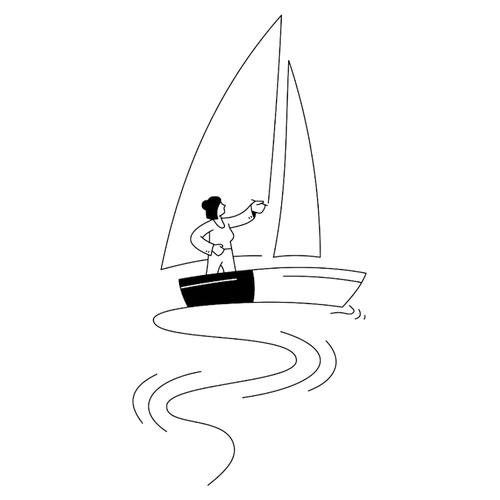
Hoist your sail. Then release.
hoist the sail. then release.
Do it anyway.
Not for the outcome. For the doing itself.
If you name it - email me back.
I read every reply.
Sometimes I write back.
✍   Reply & name it to Frederik
◈ Name it on LinkedIn ✦ Reflect with Futureik

The archer releases the arrow. The writer sends the page. The founder opens the doors. Not because the outcome is certain. Because the doing is the point.

The future doesn't begin when everything is guaranteed. It begins the moment you let go.

From within.
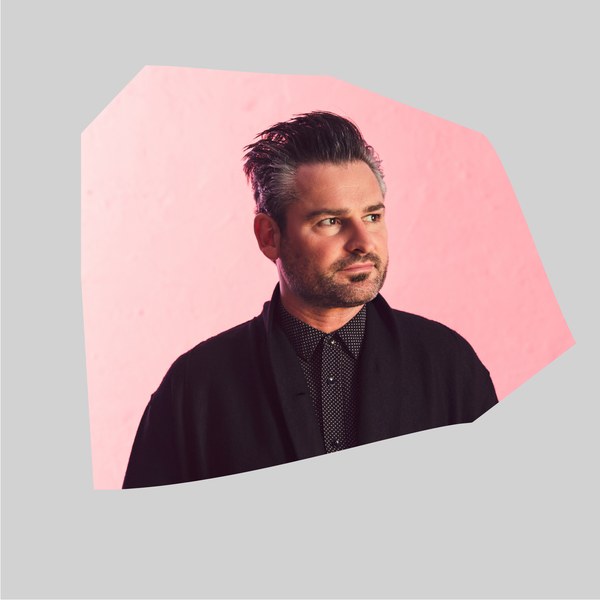
Frederik Pferdt
With curiosity and care,
Frederik
◆ If this resonated
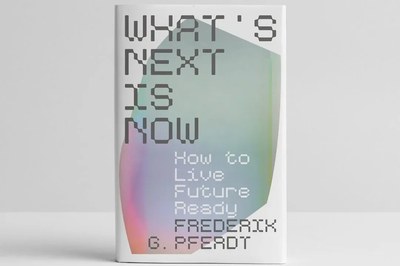
What's Next Is Now - a book by Frederik G. Pferdt
This edition in 200 pages.
Today's letter is one thought. The full argument - how to release the future you're attached to and live the one you're actually in - lives in the book.
What's Next Is Now →
◆ One more thing
Pass it on.
If this landed for you -
share it with someone
who is waiting for the right moment.

Tell them the moment is now.
That's how this community grows:
one future-ready friend at a time.
WhatsApp Email LinkedIn
Was this forwarded to you?
Make NEXTletter your new bi-weekly ritual.
It's free, and it arrives
whenever something is worth saying.

Keep Reading